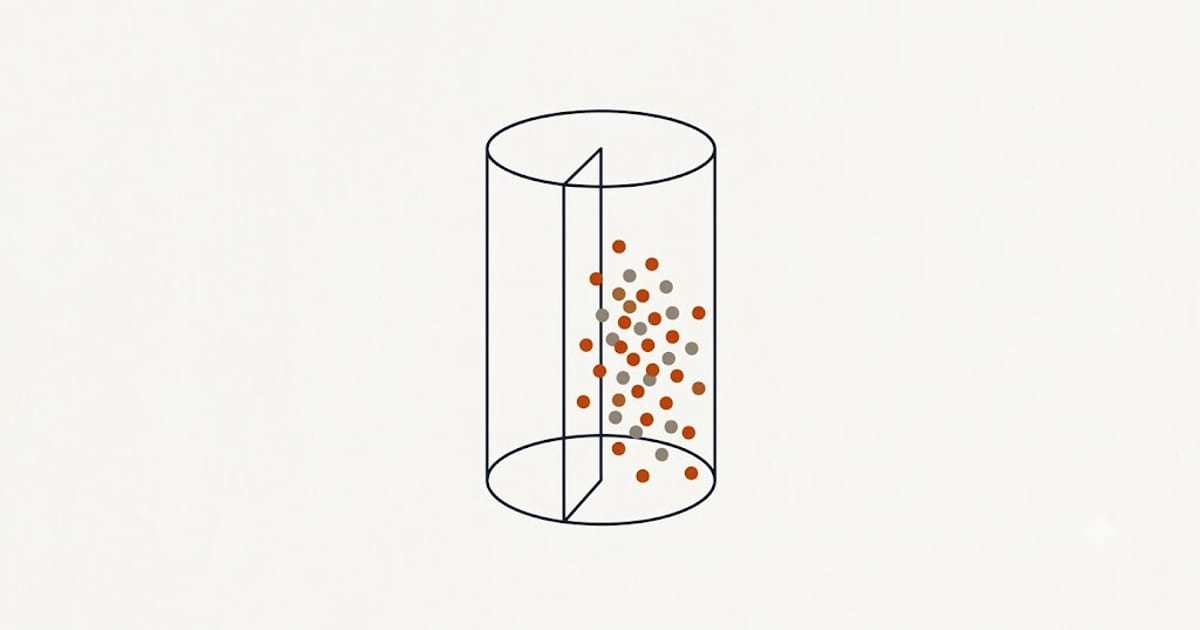
The first stage of any well treatment system removes particles, and it is the least expensive and most consequential component.
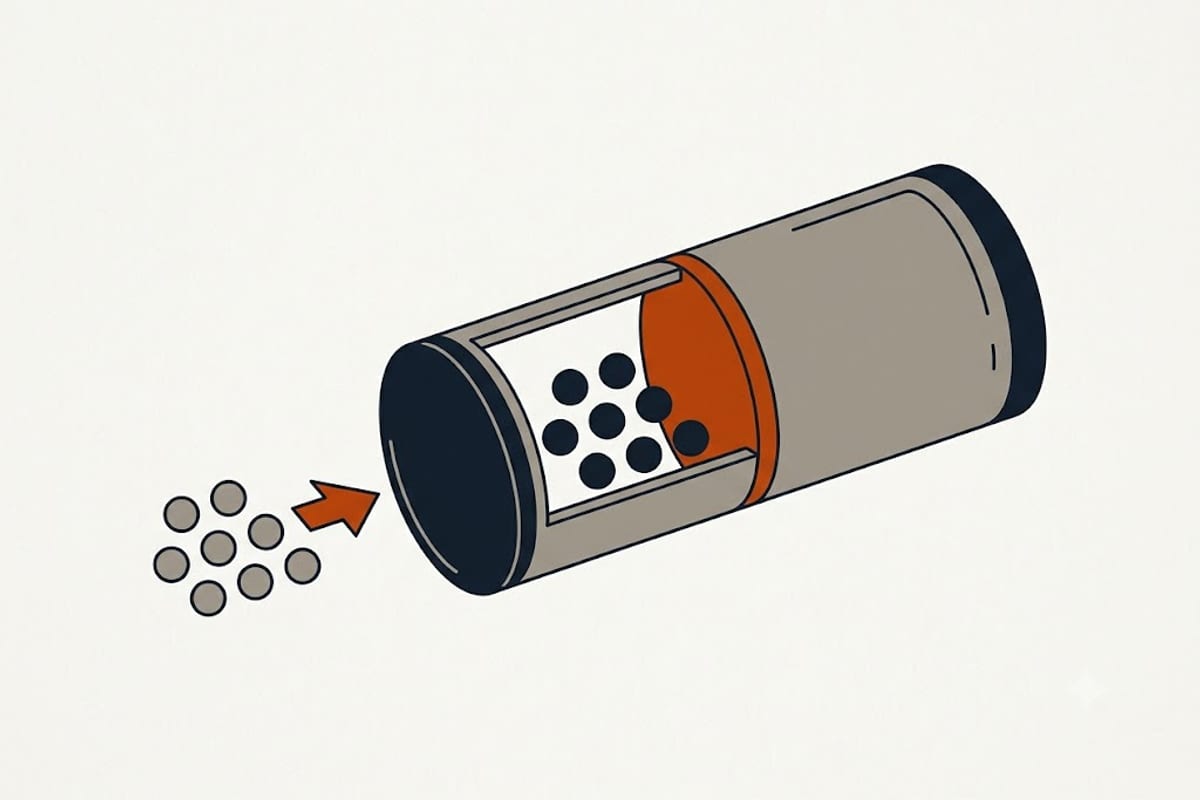
Why it comes first
Sand and silt abrade pump seals and valve components, block small passages, foul softener resin and filter media, and destroy reverse osmosis membranes.
A cartridge costing very little protects equipment costing a great deal, and it is the stage most often absent on older installations.
The types
Spin-down filters — a clear housing with a stainless screen, flushed by opening a valve. Coarse, reusable, and ideal as a first line against sand.
Cartridge filters — a housing taking a replaceable element. Available in many ratings and materials, and the usual whole-house choice.
Backwashing media filters — a vessel of graded media that cleans itself on a cycle. No cartridges to buy, needs a drain, and suits water with a heavy sediment load.
Bag filters, for high flow with heavy loading.
Micron rating
The size of particle the filter captures. Smaller is not better.
A rating too fine clogs quickly, drops pressure, and needs constant replacement. A rating too coarse passes what the next stage cannot tolerate.
The usual approach is staged: a coarse filter first — 50 microns, say — then a finer one, so the coarse one takes the bulk and the fine one lasts.
Nominal ratings capture most particles of that size; absolute ratings capture essentially all. Absolute costs more and matters where the downstream equipment is intolerant.
Pleated, spun and string-wound
Pleated cartridges have a large surface area, last longer, and some are washable. Good where the load is light.
Spun-bonded (melt-blown) are graded from coarse outside to fine inside, holding more dirt through their depth. The usual choice for a well with real sediment.
String-wound are similar in behaviour and less common now.
Sizing for flow
A filter has a flow rating, and exceeding it drops pressure and pushes particles through.
Big Blue style housings take large cartridges and handle whole-house flow with a modest pressure drop. A small under-sink housing on a whole-house line is a restriction, and it is a common mistake in a self-installed system.
Knowing when to change it
A pressure gauge before and after the filter is the correct answer, and it is inexpensive.
The differential rises as the cartridge loads. A rise of a stated amount — commonly around 10 to 15 psi over clean — is the change point.
Without gauges, the household changes it either far too often or when the shower gets weak, and neither is efficient.
Where it goes
After the pressure tank and before everything else, with a bypass and isolation valves so a cartridge change does not mean shutting off the house.
Where there is room to swing the housing wrench and a bucket underneath.
Not somewhere that freezes.
What it does not do
It removes particles. It does not remove dissolved iron, hardness, bacteria, nitrate or taste.
Water that looks clear can carry all of those, and a sediment filter is the first stage of a treatment train rather than a treatment in itself.
Sand in a well
Persistent sand is a well problem rather than a filtration problem.
It points at a screen or a gravel pack that is failing, a pump set too low in the well, or a well that was never fully developed. A filter catches it and the pump is still being abraded by it upstream.
Where sand is heavy and continuous, a well contractor's assessment is worth having before spending on progressively finer filtration.
Keeping spares
Cartridges are cheap and they are not always in stock locally.
Keeping a few of the sizes in use turns a change into a five-minute job at any hour, which matters because a fully blocked filter presents as no water — usually in the evening.