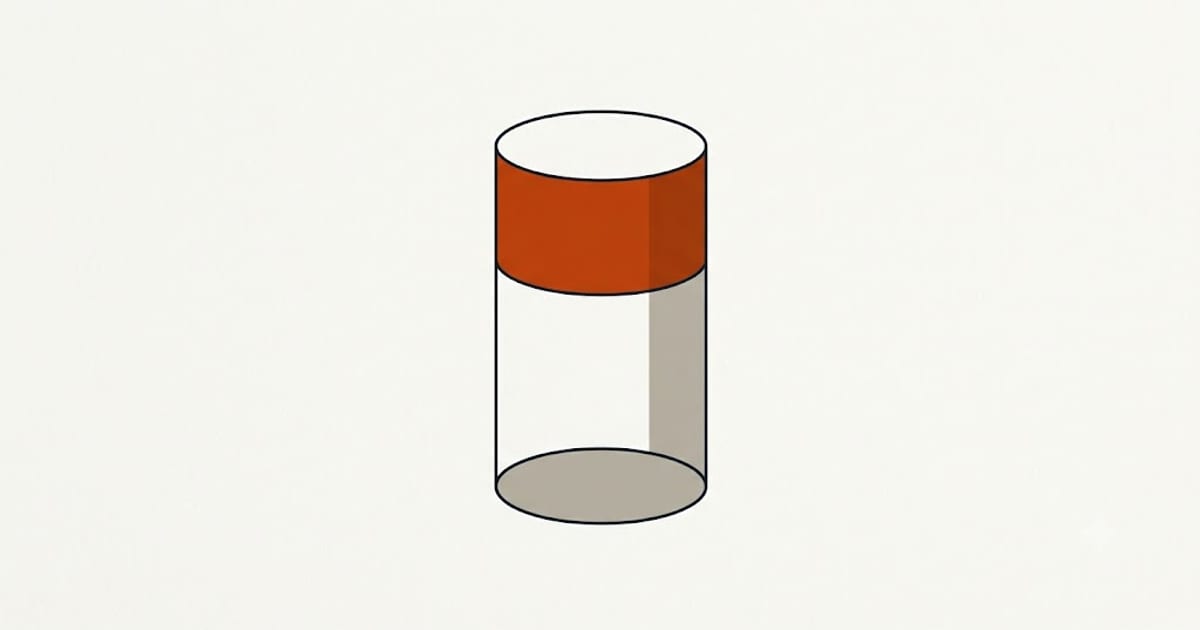
A softener works by passing hard water through a resin bed that exchanges calcium and magnesium for sodium. Periodically it flushes the accumulated hardness out with brine, and reloads the resin. That is regeneration.
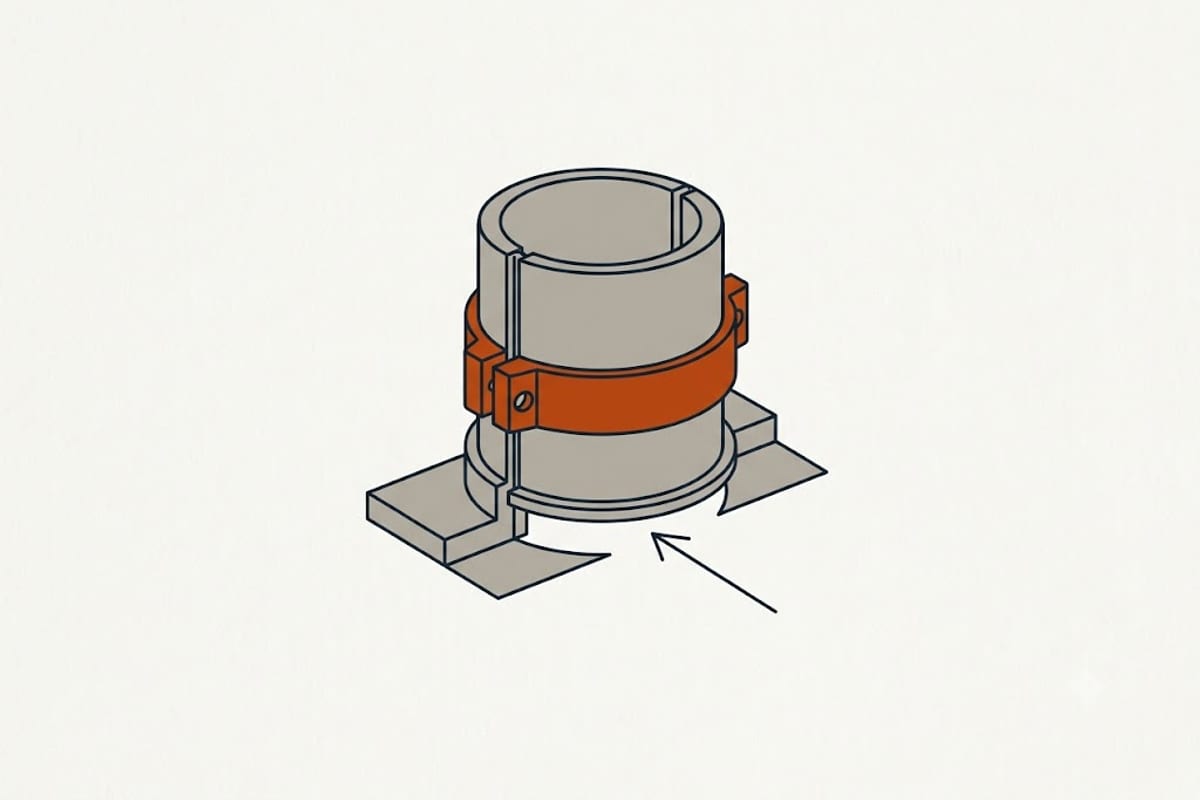
The salt
Pellets — compressed, low in insolubles, and the usual choice.
Solar crystals — evaporated sea salt, clean and slightly more prone to bridging in humid conditions.
Rock salt — cheapest and highest in insoluble matter, which accumulates as sludge in the brine tank. Generally worth avoiding.
Potassium chloride — an alternative for households restricting sodium, more expensive and requiring a valve setting adjustment because it is less efficient per pound.
Do not mix types in a tank; the different dissolution rates encourage bridging.
How much to keep in the tank
Keep the tank a third to a half full, and above the water level.
Filling it to the top does not make the softener work better and it makes bridging more likely, since salt at the bottom compacts under the weight above.
The salt bridge
A hard crust forms across the brine tank, with the salt above it and an empty space below.
From above the tank looks full. Beneath the crust there is no salt in contact with the water, so no brine is made, and every regeneration flushes the resin with plain water and accomplishes nothing.
The household's water goes hard while the salt level appears fine — which is why this is the first thing to check when a softener stops working.
Finding it: push a broom handle down through the salt. Hitting a hard layer with space beneath it is the diagnosis.
Breaking it: carefully with the handle, then removing the loose material and any sludge, and refilling.
Preventing it: keep the tank less full, use a cleaner salt, and address humidity in the room where possible.
The mushed resin bed
Resin beads degrade over time — chlorine in municipal water attacks them, and iron fouls them.
Degraded resin turns to a fine mush that packs, channels and loses capacity. Regeneration no longer restores it.
Life expectancy is roughly ten to fifteen years on chlorinated municipal water and often less where iron is present.
Symptoms: hardness returning despite correct settings and adequate salt, and resin fines appearing at fixtures.
The remedy is replacing the resin, which is cheaper than replacing the softener and is not always offered.
Where the water contains iron, a resin cleaner used periodically in the brine tank extends the bed's life considerably.
Regeneration frequency
Every three to seven days is the target.
Too often wastes salt and water and wears the valve.
Too rarely leaves the bed loaded, which reduces efficiency and lets bacteria establish.
A meter-controlled unit sets this itself from actual use. A timer unit does not, and it will regenerate on schedule through a week away and fail to regenerate through a week of guests.
The settings that get missed
Hardness, which must match the tested water, plus the iron adjustment. A unit set from a guess at installation will be wrong.
Salt dose per regeneration, which trades capacity against efficiency.
Regeneration time, conventionally in the early hours when no water is being used — since the house has hard water during the cycle.
Any of these set once at installation and never revisited is worth checking, particularly after a water test or a change in household size.
Cleaning the brine tank
Insoluble matter accumulates as a sludge at the bottom, particularly with cheaper salt.
Every few years the tank is worth emptying and rinsing out. It is unpleasant and straightforward, and it removes the material that eventually blocks the brine draw line and the safety float.