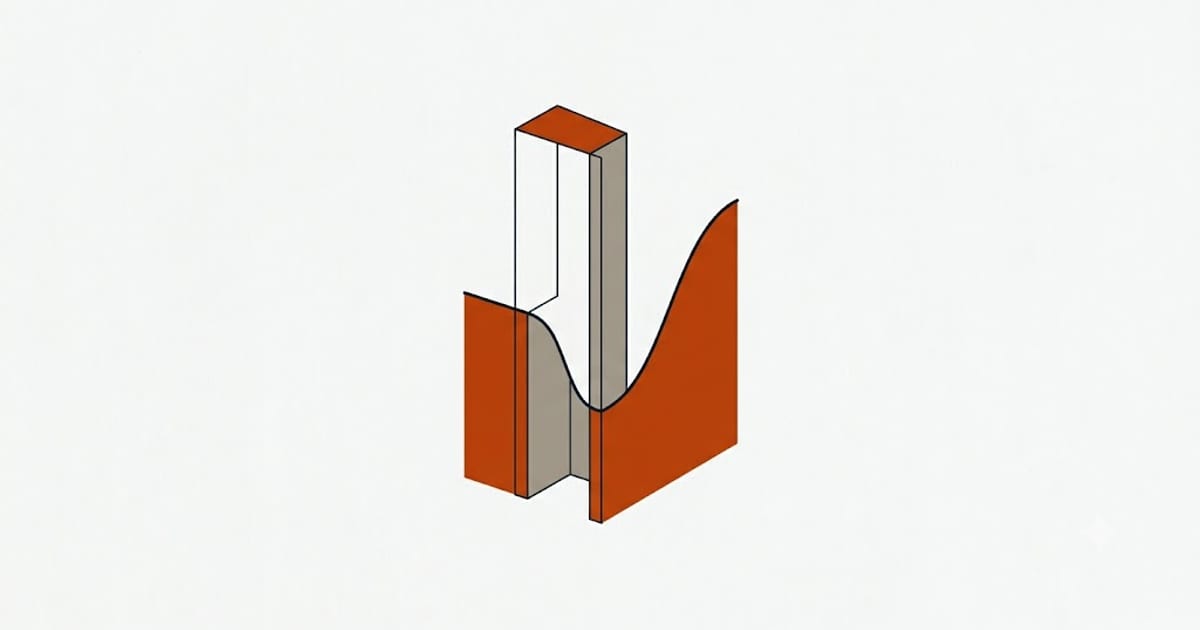
A well's yield is how fast the aquifer can supply water to it, sustained. It is a property of the ground, not of the equipment.
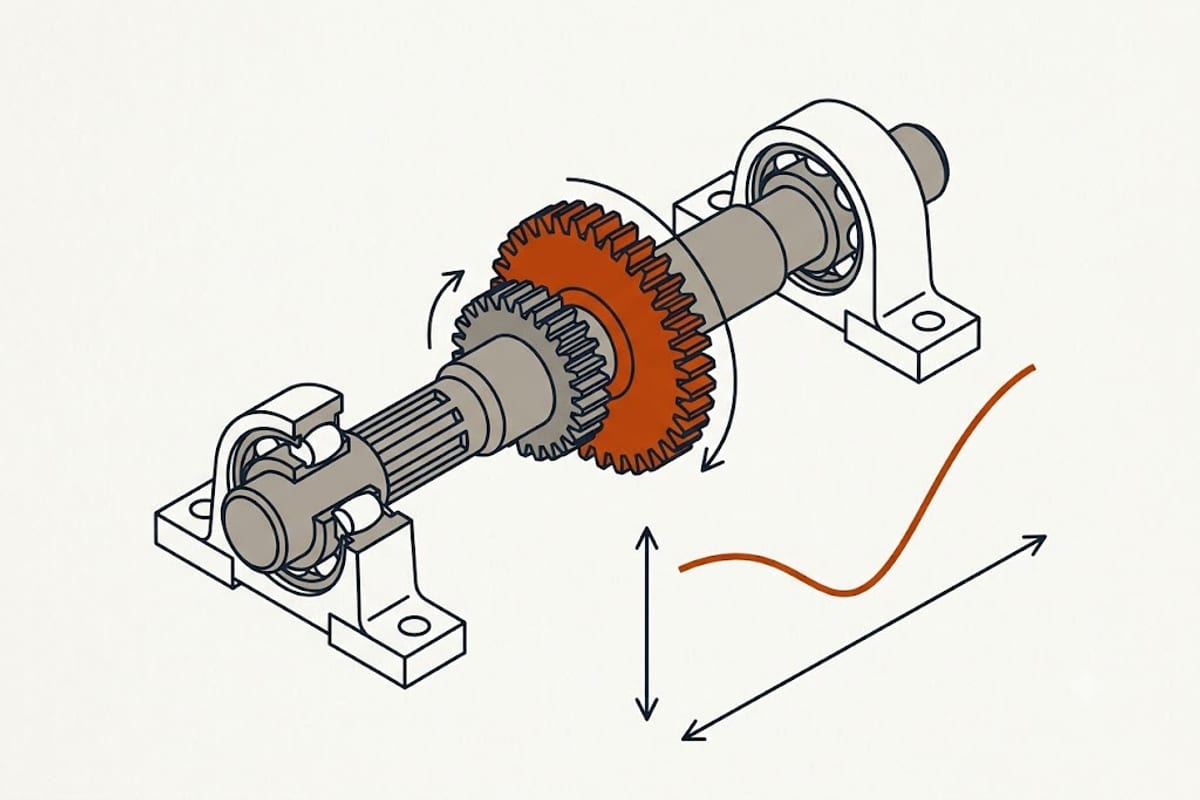
Yield and flow rate are different
Flow rate is what the pump delivers at the tap, in gallons per minute.
Yield is what the well can sustain without the water level falling to the pump.
A pump can deliver more than the well produces for a while, drawing the level down. Continue and the pump runs dry, which destroys it.
The yield test
The well is pumped at a measured rate for a period — commonly several hours — while the water level is monitored.
Static level is where the water stands at rest.
Drawdown is how far it falls during pumping.
Recovery is how fast it returns afterwards.
A well that holds a stable level at the test rate has at least that yield. One whose level keeps falling is being pumped faster than it produces.
The result appears on the well log filed with the state, and it is public information for most wells.
What counts as adequate
A commonly cited figure for a household is 5 gallons per minute sustained, and many lenders and jurisdictions use that or a similar threshold for a new well.
Below that, the well is workable with storage — and the arrangement has to be designed rather than assumed.
Managing a low-yield well
Storage. A large cistern or storage tank filled slowly by the well and drawn from quickly by a second pump. This is the standard answer, and it decouples the household's peak demand from the aquifer's rate entirely.
A deeper pump setting, where the casing allows, giving more stored water in the well itself.
Flow restriction and cycle control, limiting the pump so it cannot outrun the well.
Low-yield pump controllers, which pump at a reduced rate and rest.
Reducing peak demand — low-flow fixtures, staggered laundry, and not filling a large tub while the dishwasher runs.
What does not work
A bigger pump. It draws the level down faster and runs dry sooner. This is the most common and most expensive misunderstanding about low-yield wells.
Drilling deeper, sometimes — it depends entirely on the geology, and it can find more water or the same water or salt.
Seasonal variation
Water levels fall in dry seasons and in drought, and a well that is adequate in April can be marginal in September.
A well tested in the wet season and never since may have less margin than its log suggests. Repeated low-pressure episodes in late summer, or air spitting from taps, are the symptom.
Air in the lines
Air spitting from taps means the pump is drawing air — the level has reached the intake, or there is a leak in the drop pipe, or a failed check valve.
It is a warning worth acting on. A pump running dry does not survive it for long.
Before buying a property on a well
Get the well log — depth, casing, static level and tested yield.
Get a yield test as a purchase contingency, alongside the water quality panel.
Ask what the household's peak demand will be, and compare. A well adequate for two people is not automatically adequate for five with a large garden.
Sharing a well
Some rural properties share a well under an agreement.
The questions are the same ones as for a shared septic system: who owns it, who maintains it, how the cost is split, and what the yield is relative to the combined demand of every household on it.
Those answers are in the well agreement, and it is a document worth reading in full before buying into one.