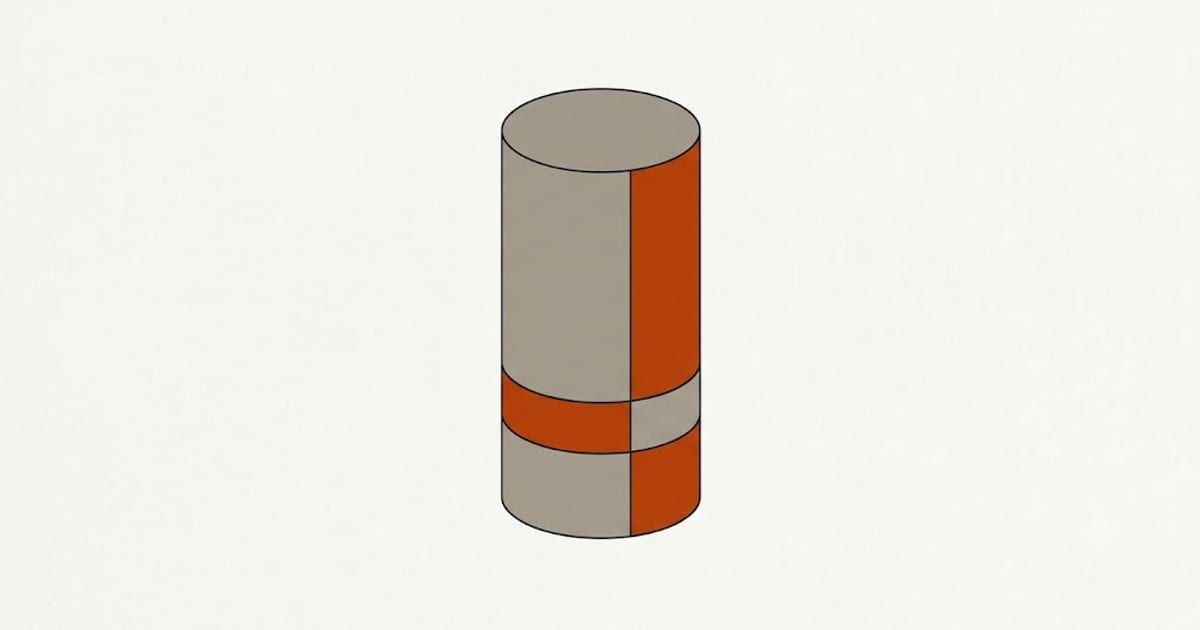
Hardness deposits where water is heated, because heat drives calcium and magnesium out of solution. That makes the water heater the place hard water does the most damage.
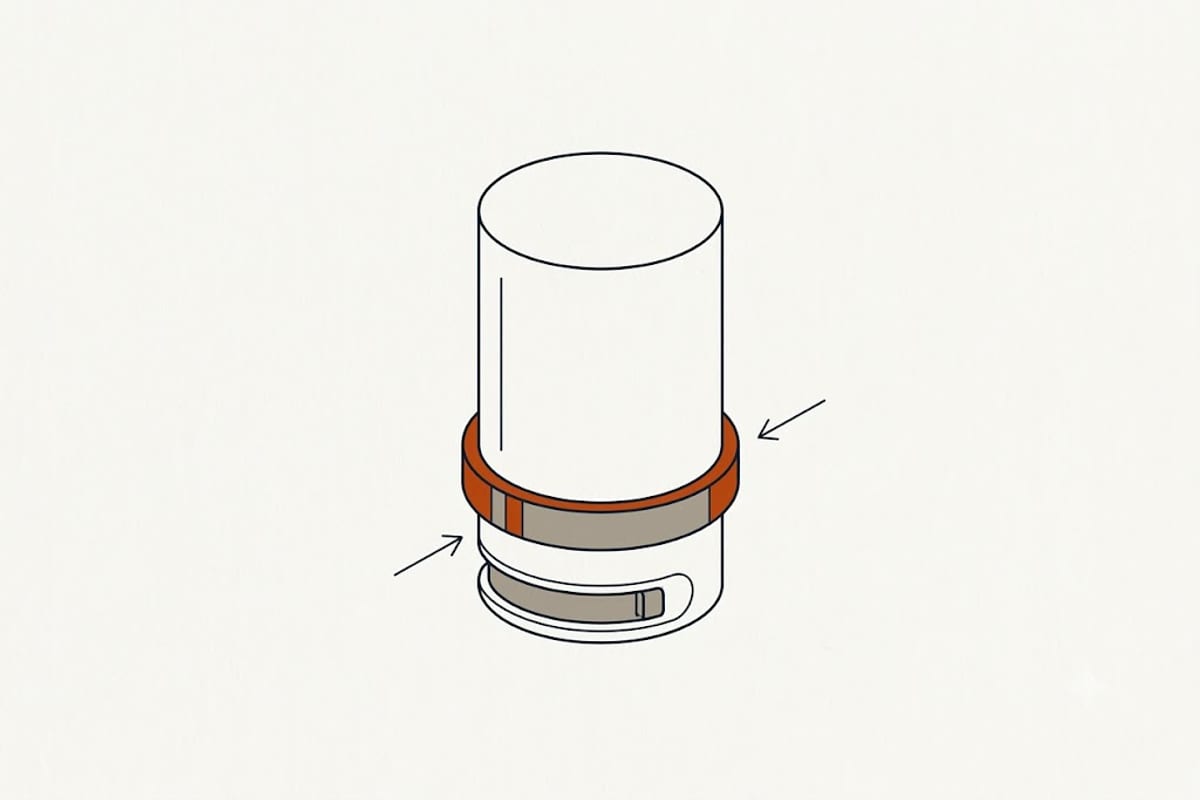
What happens in a gas tank
The burner is underneath, and the sediment settles directly above it.
The deposit insulates the water from the flame, so the tank bottom runs hotter than designed while the water heats more slowly. That stresses the glass lining and the steel.
Water trapped under the layer flashes to steam and escapes as bubbles — the popping and rumbling an older gas heater makes. That noise is a reliable indicator of scale, and it is the sound of a tank being damaged.
What happens in an electric tank
Elements sit in the water, and scale coats them.
A coated element runs hotter for the same output, which shortens its life. Element failures are a common consequence, and the symptom is halved recovery and about half the usable hot water — which reads to a household as the heater suddenly being too small.
What happens in a tankless heater
Worse, proportionally, because the passages are narrow.
Scale in a tankless heat exchanger restricts flow and reduces output, and it is why tankless units carry a descaling schedule — commonly annual in hard water.
Service valves fitted at installation make that a twenty-minute job with a pump and a bucket. Without them it is a plumbing job, and it does not get done.
The magnitude
Scale is an insulator, and even a thin layer measurably reduces the heat transfer from the burner or the element to the water.
Over the life of a heater in very hard water, that is real energy and it is real capacity, and the appliance ends its life early.
What to do without softening
Flush the tank annually. Draining a few gallons from the drain valve carries some sediment out; a full flush carries more. Opening the cold inlet briefly while draining stirs the bottom and removes more still.
Fit a full-port brass drain valve in place of the factory plastic one, which clogs with the sediment it is meant to remove and then drips.
Keep the temperature moderate. Scale deposition accelerates with heat, so a tank at 120°F scales more slowly than one at 140°F.
Descale a tankless unit on schedule.
What softening changes
It removes the calcium and magnesium before they reach the heater, so nothing deposits.
That is the single largest item in the economic case for a softener, and it is what makes the case comfortable above about 10 grains per gallon.
The trade-off softening brings
Softened water is more aggressive toward the sacrificial anode in a storage water heater.
That means the anode is consumed faster and needs checking more often — every two to three years rather than on a longer interval.
It is a maintenance point rather than an argument against softening, and it is worth knowing because a household that installs a softener and then never looks at the anode can find the tank failing early for a different reason than the one they solved.
The one to check first
On an electric heater whose hot water has fallen off, test the elements before assuming scale or size.
A failed element gives exactly the symptom that hardness produces, it costs very little to replace, and it takes five minutes with a meter to distinguish.
Recirculation loops
A hot water recirculation loop keeps water hot in the pipes continuously, which means hardness is depositing along the whole loop rather than only in the tank.
In hard water that is a reason to run the pump on a timer or on demand rather than continuously, and a reason the case for softening is stronger in a house with a loop than in one without.